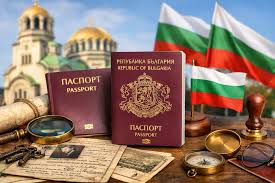
Prasanja Za Bugarski Pasos: All the information you require
Having Bulgarian nationality plays an important role in the lives of many individuals, because it will make their lives easier as far as mobility, prospects, and connection with the European Union are concerned. However, it must be emphasized that the procedure for acquiring Bulgarian nationality is entirely separate and highly organized, and the critical part in it usually comes down to answering the questions. Thus, in case one wants to become a Bulgarian citizen and avoid any obstacles on this way, they have to familiarize themselves with such questions as Prasanja za bugarski pasos.
Personal Identification and Paperwork both go hand in hand in the case of citizenship. While the paperwork verifies legitimacy on paper, the interview ensures the validation of these claims made in the paperwork. This dual process clarifies the rigor of granting citizenship in a European Union member state. Having citizenship in Bulgaria is more than just owning a passport of the state; it enables people to have access to freedom of movement, work, and education within the entire continent of Europe.
Purpose of the Citizenship Interview
Documents alone cannot explain what went wrong in the interview. For example, claims about migration history or family lineage sometimes require personal clarification. In such a case, preparation becomes very important. The ability to respond truthfully may play an essential role in furthering the application process.
Family History and Origin
Heritage is by far the most significant factor of this procedure in cases of gaining citizenship in Bulgaria via heritage. In such cases, it is expected of the applicant to trace back the sources of their connection to the country, which involves the origin of the ancestors and the connection shared by the applicant’s family background with the country.
An example of such a case is completing a migration timeline.This is especially important for families who crossed the border during historical periods of state change. Officials are interested in understanding the impact of cultural and familial ties and identities.
Language Knowledge and Cultural Awareness
Understanding the culture is essential when becoming a citizen as well. It is not a necessity to know the Bulgarian language when applying for citizenship by descent; however, the interview might ask various questions regarding cultural aspects of the state.
It does not mean that education will be tested; it just aims at building connections. Candidates showing genuine interest in their Bulgarian background tend to have better communication experience.
Residency and Entry
When applying for citizenship of Bulgaria by naturalization, the goal is to become a citizen. The official needs to determine whether the candidate has adapted to the life in Bulgaria or not.
Various questions could be asked about practical life experience, profession, social activities, etc. Applicants may be asked to describe their country’s future, their social media connections, or their place of work. These answers help officials understand whether someone considers citizenship an important part of their life rather than a mere governmental objective.
Collaborating on Documents and Statements
Perhaps the most crucial step in the process involves confirming consistency between documentation and verbal accounts. Discrepancies can become an issue, potentially resulting in additional delays. That is why one should take the time to carefully prepare for interviews before appearing at official appointments.
Questions often aim to confirm details contained in previously submitted files. This includes birth dates, family names, past locations, and times. Trust is increased and evaluation is easier when answers match existing records. Investigation is possible if the answer remains ambiguous or conflicting.
Motivating Citizenship
Additionally, officials try to understand why applicants want to become Bulgarian citizens. Motivation becomes significant when trying to confirm intention behind the desire. One can expect to receive questions regarding one’s future plans, expectations, or benefits they hope to reap once they achieve citizenship.
This does not involve an assessment of ambition. Rather, this helps reveal the underlying reasons behind the decision. It usually proves that the motivation is rooted in significance, not just ease.
Law and Ethics
Legal status also plays a role. This includes issues regarding residency, income, or adherence to previous legal requirements. This is necessary to confirm that new citizens will honor the traditions and duties of Bulgarian citizenship.
It helps to ensure that the questions in this section will align with the interests of the state. They also reinforce the principle that citizenship respects the individual and the state.
Instructions and Estimates
The timing of each stage and the order in which events occur is another important thing to keep in mind in communication with officials. People will be asking about possible delays, as well as further actions after passing an interview. Through these questions, officials can prepare people for the process itself, as well as for future responsibilities after approval.
Clear information about expectations lowers anxiety and keeps people calm throughout the reviewing process. It also makes communication between people and the institution easier.
Creating Interest through Preparation
This process might go smoothly if people have knowledge about their own past, have checked all of their documents, and analyzed their motives to become citizens.
A natural response to questions requires real knowledge, rather than memorizing the right answers. If people freely talk about themselves and what their expectations are, they will sound authentic.
The Greater Importance of Distribution
This exceptional form of gaining citizenship shows that Bulgaria makes an effort in protecting its identity and including people who share connections with the country.
Overall, this is a praiseworthy blend of transparency and accountability benefiting all involved parties. It retains the significance of citizenship while providing the possibility for the worthy to join the bigger community of Europe.
Conclusion:
Understanding the “Presnja za Bugarski Pasos” reveals the heart of the Bulgarian citizenship struggle. The questions provide the link between the two – the individual’s identity and the documentation. People should feel confident and motivated enough as long as they show that they are prepared and honest in their actions.
Citizenship is not only about legal terms; it also signifies unity and compromise.Crossing this stage allows people to fulfil their aspirations and find their place in Bulgaria’s national and European society.